
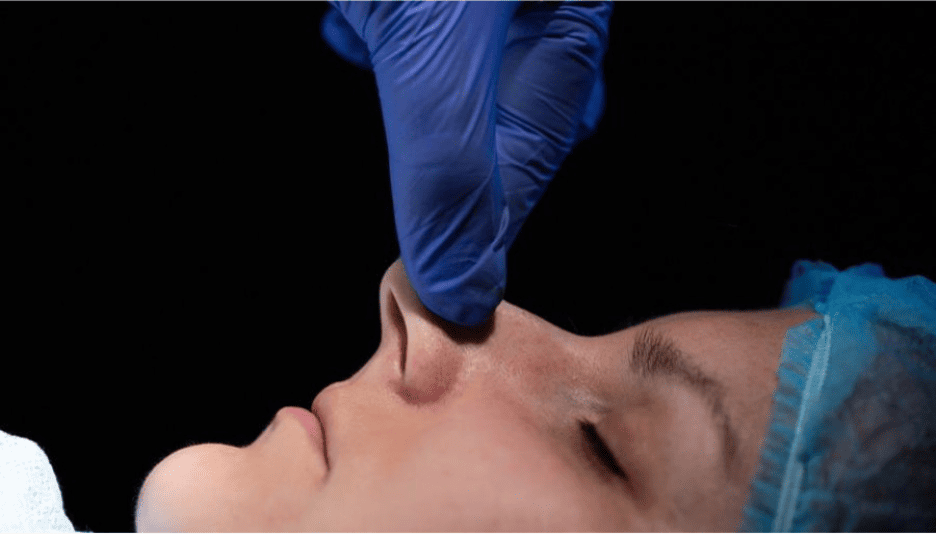
When both sides of your nose feel blocked, breathing through your nose can become difficult during sleep, exercise, and everyday activities. A deviated septum may be responsible when the wall separating the two nasal passages is significantly crooked or displaced. In some cases, the shape and severity of the deviation can restrict airflow through both sides.
Can septoplasty help a deviated septum blocking both nasal passages? Yes. When a deviated septum is narrowing the nasal airway and causing significant breathing problems, septoplasty may be recommended to straighten the affected portions of the septum and improve the space available for airflow. Septoplasty is surgery used to straighten a deviated or crooked nasal septum and address nasal airway obstruction.
For patients considering septoplasty in Los Angeles, Dr. Mani Zadeh is a board-certified otolaryngologist and rhinologist in Los Angeles who evaluates nasal and sinus conditions and considers both medical and surgical treatment based on the patient’s condition.
Can a Deviated Septum Block Both Nasal Passages?
The nasal septum is the wall of bone and cartilage that separates the two sides of the nasal cavity. Ideally, it sits near the center of the nose. A septal deviation occurs when the septum is crooked or displaced toward one side.
It can contribute to restricted airflow on both sides, particularly when the deviation is severe or has a shape that affects more than one part of the nasal airway. A severely deviated septum can cause nasal obstruction and difficulty breathing through the nose.
People with significant nasal obstruction may experience:
- Difficulty breathing through the nose
- A sensation of nasal blockage
- Ongoing nasal congestion
- Mouth breathing
- Snoring or disrupted sleep
- Difficulty breathing comfortably through the nose during exercise
- Frequent nosebleeds
A deviated septum blocking both nostrils does not necessarily mean the septum is the only reason the nose feels blocked. Enlarged turbinates, allergies, inflammation, nasal valve problems, nasal polyps, and sinus conditions can also affect airflow. Turbinate enlargement is another common source of chronic nasal obstruction.
That is why an examination is important before deciding on septum surgery.
Also Read: Give Yourself the Gift of Better Breathing: What to Expect from Septoplasty
When Is Septoplasty Recommended for a Deviated Septum?
Surgery may be considered when the deviation is severe enough to cause significant nasal obstruction or interfere with normal breathing. Nasal airway obstruction is a primary reason for septal surgery.
Symptoms that may lead to an evaluation include chronic difficulty breathing through the nose, obstruction that interferes with sleep or daily activities, mouth breathing, and symptoms that remain troublesome despite medical treatment.
Medication can help when congestion is related to allergies or swollen nasal tissues. However, medication cannot straighten a structurally crooked septum. For patients whose primary problem is structural narrowing, deviated septum surgery may be considered after an appropriate examination.
This distinction matters because a blocked nose does not automatically mean septoplasty is needed. The cause may be inflammation, allergies, enlarged turbinates, sinus disease, or a combination of conditions.
Dr. Zadeh evaluates patients and considers medical and surgical treatments before developing an individualized treatment plan.
How Does Septoplasty Improve Breathing Through the Nose?
Septoplasty addresses the structural portion of the nasal septum that is narrowing the airway. During the procedure, the surgeon works through the nose to access the septum and reshapes, removes, or repositions selected areas of deviated cartilage and bone. The tissue lining is then placed back over the corrected septum.
The purpose of the procedure is to create more room for air to pass through the nasal passages. This makes septoplasty a functional form of nasal surgery rather than a cosmetic procedure.
Standard septoplasty is typically performed through incisions inside the nose and does not usually leave a visible external scar.
For a patient seeking surgery to improve nasal breathing, the distinction between septoplasty and rhinoplasty is useful. Septoplasty primarily addresses the internal nasal septum. Rhinoplasty changes the structure or shape of the nose and may be performed for cosmetic reasons, functional concerns, or both. In some patients, septoplasty and rhinoplasty are performed together.
Can Septoplasty Help When Both Sides Feel Blocked?
Yes, when the septum is a major contributor to the obstruction. A severe deviation can reduce the available space for airflow, and correcting the deviated portions can improve the nasal airway.
However, septoplasty for blocked nasal passages is not appropriate simply because a patient feels congested. A physician needs to determine whether the septum is actually responsible for the symptoms and whether other nasal structures also need attention.
Septoplasty for Chronic Nasal Obstruction
It can address chronic obstruction when a deviated septum is responsible for narrowing the nasal airway. Septoplasty may be indicated when septal deviation is severe enough to cause nasal obstruction and affect breathing.
This makes septoplasty for chronic nasal obstruction a consideration for patients who have ongoing difficulty breathing through the nose and findings that correspond with a significant septal deviation.
Patients may also have enlarged turbinates at the same time. Turbinate reduction is sometimes performed along with septoplasty when enlarged turbinates contribute to airway narrowing.
An evaluation can help determine whether the obstruction comes mainly from the septum or whether multiple structures are involved.
Also Read: Septoplasty: 6 Questions to Ask Your Surgeon Before Your Procedure
What to Expect During Septoplasty Recovery
Patients should expect some temporary congestion after septoplasty. Swelling and blood-tinged drainage can occur during the early healing period. Patients should rest after surgery, avoid strenuous activity and heavy lifting for a period of time, and follow postoperative instructions regarding nasal care.
The nose may initially feel more blocked after surgery than it did before the procedure. This is generally related to normal postoperative swelling and healing. As swelling decreases, nasal airflow can gradually improve.
Many patients need about a week of recovery before returning to work, although the timing varies depending on the person’s work and recovery. More physically demanding activities may require additional time away from work.
How Long Does It Take to Breathe Normally After Septoplasty?
There is no single recovery period that applies to every patient. During the first several days, congestion and swelling can make nasal breathing difficult. Zadeh, MD notes that patients may feel ready to return to everyday routines within about a week, while healing inside the nose continues afterward.
Follow-up appointments allow the surgeon to assess healing and address concerns during recovery. Patients should follow the specific instructions provided by their surgical team rather than judging the result during the earliest stage of healing.
Surgery for a Severely Deviated Septum
Surgery for a severely deviated septum may be considered when the deviation significantly restricts nasal airflow. Nasal airway obstruction is among the primary indications for septal surgery.
A severely crooked septum does not automatically mean surgery is required. The decision depends on symptoms, examination findings, the degree and location of the deviation, and other conditions that may affect breathing.
Patients should also discuss potential surgical risks with their physician. As with any surgery, septoplasty has potential risks. These can include bleeding, infection, septal perforation, temporary numbness, persistent or recurrent nasal obstruction, and changes in the sense of smell. Dr. Zadeh can discuss risks in the context of the patient’s anatomy, planned procedure, and overall health.
Also Read: Is Septoplasty Right for You? A Guide to Fixing a Deviated Septum
Choosing Septoplasty in Los Angeles
A septoplasty evaluation should focus on identifying the actual source of nasal obstruction rather than assuming that every blocked nose requires surgery.
The Los Angeles Sinus Institute provides evaluation for nasal and sinus disorders and lists septoplasty, nasal endoscopy, and sinus surgery among its services.
An evaluation can help answer questions such as:
- Is the septum significantly narrowing the airway?
- Is the obstruction affecting one side or both?
- Are enlarged turbinates contributing to the blockage?
- Could allergies or inflammation be involved?
- Are other structural problems affecting nasal airflow?
- Would septoplasty address the main source of the breathing difficulty?
For patients having persistent difficulty breathing through the nose, these questions help determine whether a structural problem is responsible and whether septoplasty is likely to address it.
If persistent nasal obstruction is making it difficult to breathe comfortably through your nose, an evaluation can help determine whether a deviated septum or another nasal condition is responsible. Contact Dr. Zadeh’s at the Los Angeles Sinus Institute to schedule a consultation and discuss whether septoplasty may be appropriate.
Frequently Asked Questions
1. Can a deviated septum block both nostrils?
Yes. A significant deviation can narrow airflow through one or both nasal passages. The exact effect depends on the shape and location of the deviation. Other conditions, including enlarged turbinates and inflammation, can also contribute to blockage.
2. Can septoplasty fix chronic nasal obstruction?
Septoplasty can improve airflow when a deviated septum is the structural source of chronic nasal obstruction. It does not treat every cause of congestion, which is why an examination is important before surgery.
3. How long does it take to breathe normally after septoplasty?
Nasal breathing can be limited by swelling and congestion during the early recovery period. Many patients resume normal routines within about a week, but internal healing continues beyond that point.
4. Is septoplasty safe for a severely deviated septum?
Potential risks can include bleeding, infection, septal perforation, temporary numbness, persistent nasal obstruction, and changes in the sense of smell. Individual risks depend on the patient’s anatomy, health, and planned procedure.
5. How do I know if I need septoplasty in Los Angeles?
Persistent nasal obstruction or difficulty breathing through the nose may warrant an evaluation. A specialist can examine the nasal passages and determine whether the septum is contributing to the problem and whether septoplasty is appropriate. We use nasal endoscopy and other diagnostic approaches when appropriate.
If you have nasal obstruction, nasal blockage, or ongoing nasal congestion associated with a suspected septal deviation, a consultation can help identify the source of your symptoms.