
Chronic sinus blockage can cause ongoing congestion, facial pressure, drainage, reduced sense of smell, and recurring sinus infections. When inflammation or structural changes interfere with normal sinus drainage, medication may not always provide enough relief.
Can endoscopic sinus surgery help when chronic disease blocks the sinuses? For selected patients, endoscopic sinus surgery for chronic sinusitis in Los Angeles may be considered when symptoms continue despite medical treatment and examinations or imaging show disease that may benefit from surgery.
Dr. Mani H. Zadeh is a board-certified otolaryngologist and rhinologist with a focused practice in nasal and sinus disorders. His practice provides medical and surgical care for conditions including chronic sinusitis, nasal polyps, nasal obstruction, and other sinus disorders. Diagnostic services include nasal endoscopy and sinus CT imaging, which may help identify the source of symptoms and guide treatment planning.
How Chronic Sinus Disease Can Block the Sinuses
Chronic sinus disease can cause inflammation and swelling of the tissues lining the sinuses. When swelling narrows the natural openings through which mucus drains, a sinus blockage can develop. Poor drainage may contribute to pressure, congestion, retained mucus, and repeated episodes of inflammation or infection.
Several conditions can contribute to sinus obstruction, including:
- Chronic inflammation
- Nasal polyps
- A deviated septum
- Scar tissue
- Chronic or recurring infections
- Other structural changes affecting sinus drainage
Sinus surgery may address anatomical obstruction, nasal polyps, scar tissue, diseased tissue, or narrowed sinus drainage pathways that contribute to chronic or recurrent sinus disease.
Symptoms associated with blocked or inflamed sinuses can include nasal congestion, facial pressure, drainage, headaches, and reduced sense of smell. However, nasal congestion by itself does not necessarily mean that the sinuses are blocked. Nasal obstruction can have several causes, including inflammation, allergies, turbinate enlargement, and structural changes.
This distinction matters because sinus treatment depends on what is causing the symptoms. Dr. Zadeh uses diagnostic methods such as nasal endoscopy, CT imaging, allergy testing, and sinus cultures when indicated to evaluate sinus symptoms.
A patient experiencing a sinus infection may have symptoms that improve with medical treatment, while chronic sinus disease can involve longer-lasting inflammation and obstruction. Identifying the condition behind the symptoms helps determine whether continued medical care, an office procedure, or sinus surgery should be considered.
Also Read: Why Some “Chronic Sinus Infections” Are Actually Structural Problems Requiring Sinus Surgery
When Is Endoscopic Sinus Surgery Needed?
It may be considered when chronic sinusitis does not improve adequately with medical care and diagnostic findings show disease or obstruction that may respond to surgery.
Dr. Zadeh may recommend sinus surgery when chronic sinusitis does not improve with medical care. The evaluation focuses on the underlying disease and anatomy, including chronic inflammation, nasal polyps, structural abnormalities, scar tissue, and narrowed or obstructed sinus drainage pathways.
The evaluation may include:
- A detailed medical history
- Review of symptoms and previous treatments
- Nasal examination
- Nasal endoscopy
- CT imaging when indicated
- Evaluation of structural abnormalities
- Assessment of inflammation, polyps, fluid, or other sinus findings
CT imaging can show findings such as mucosal thickening, sinus opacification or fluid, and other changes associated with sinonasal disease. It also provides detailed information about sinus anatomy that can help guide surgical planning when surgery is appropriate.
When should you consider surgery for chronic sinusitis?
Surgery may be discussed when symptoms continue despite medical care, and there is objective evidence of sinus disease or an anatomical problem contributing to the symptoms.
Not every person with chronic sinusitis requires surgery. Dr. Zadeh offers several approaches to sinus disease, including medical management, balloon sinuplasty, FESS, revision sinus surgery, and nasal polyp surgery. The appropriate treatment depends on the diagnosis and findings for the individual patient. When a separate structural problem, such as significant septal deviation contributes to obstruction, an additional procedure such as septoplasty may be considered depending on the patient’s anatomy and treatment plan.
For some patients, continued medical treatment may be appropriate. For others, a procedure may be considered when narrowed or blocked sinus pathways continue to interfere with drainage.
What Happens During Endoscopic Sinus Surgery?
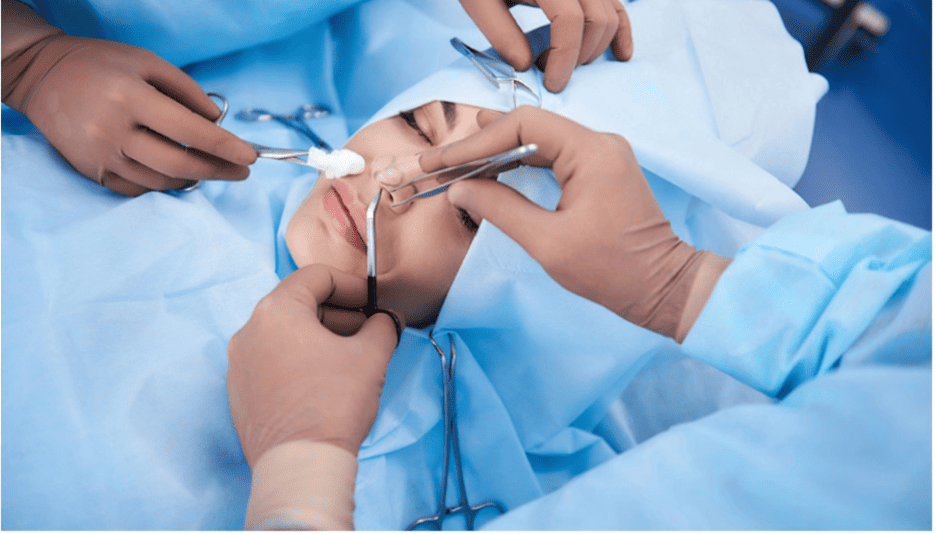
Functional endoscopic sinus surgery, or FESS, is performed through the nostrils using a small endoscope and specialized instruments. The endoscope provides a view of the nasal passages and sinus openings while the surgeon treats the areas contributing to obstruction.
Functional endoscopic sinus surgery for sinusitis is a procedure that can address causes of sinus blockage and open the natural drainage pathways of affected sinuses. The procedure is performed under general anesthesia, and the exact surgical approach depends on the patient’s anatomy and disease.
During surgery, the physician may:
- Insert an endoscope through the nostril
- View the nasal cavity and sinus structures
- Remove nasal polyps or diseased tissue when indicated
- Address scar tissue or other causes of blockage
- Open affected sinus drainage pathways
- Use specialized instruments to treat the areas involved
For selected procedures, image-guided navigation can correlate the surgeon’s instruments with the patient’s CT imaging to provide additional anatomical guidance during surgery.
The procedure length varies depending on the number of sinuses treated and the nature of the disease. Dr. Zadeh states that sinus surgery may take from one to several hours depending on the procedure. Patients recover from general anesthesia before being discharged, with many patients going home the same day.
Can endoscopic sinus surgery unblock chronic sinus disease?
It can address physical causes of sinus blockage in appropriately selected patients. During surgery, affected drainage pathways may be opened and obstructing tissue, polyps, or scar tissue may be removed when indicated.
This is why endoscopic sinus surgery for blocked sinuses is not simply a procedure for nasal congestion. The surgeon must identify what is obstructing the sinus pathways and determine whether surgery can address that specific problem.
For patients with surgery for chronic sinus blockage, the procedure may involve one or several sinuses depending on the findings. Surgery is a way to open sinus drainage pathways while addressing the underlying cause of obstruction.
Also Read: Preparing for Sinus Surgery: What You Need to Know
Advanced Sinus Surgery and Specialist Care in Los Angeles
For patients considering endoscopic sinus surgery in Los Angeles, physician experience in nasal and sinus disorders is an important part of the evaluation.
Dr. Mani H. Zadeh is a board-certified otolaryngologist and rhinologist. His practice has a subspecialty focus on rhinology, with clinical care centered on nasal and sinus disorders. His listed areas of practice include chronic rhinosinusitis with and without nasal polyps, nasal obstruction, deviated septum, turbinate problems, endoscopic sinus surgery, and revision sinus surgery.
He also provides sinus CT imaging and nasal endoscopy. CT imaging can help define sinus anatomy before surgery and may be used as a reference for image-guided procedures.
For selected patients, image-guided navigation can correlate surgical instruments with the patient’s CT imaging to provide additional anatomical guidance during the procedure, particularly when navigating complex sinus anatomy.
Patients with previous procedures may also require a different evaluation. Dr. Zadeh provides revision sinus surgery for people who continue to experience symptoms after previous sinus surgery or who develop recurring polyps.
Recovery and Long-Term Management After Sinus Surgery
Recovery after sinus surgery varies according to the procedure and the individual patient. Early symptoms may include congestion, drainage, swelling, and discomfort.
Blood-tinged drainage can continue for approximately 10 to 14 days after surgery. Temporary congestion can also occur as the tissues heal. Postoperative care may include nasal saline rinses, follow-up visits, keeping the head elevated, and restrictions on nose blowing or strenuous activity according to the physician’s instructions.
Follow-up care allows the physician to monitor healing and address postoperative concerns. Nasal care may also remain part of treatment after surgery.
Surgery is intended to improve sinus drainage and function, but chronic inflammatory disease can continue to require medical management. Opening the sinus pathways may also allow nasal sprays and rinses to reach the treated areas more readily.
Is endoscopic sinus surgery effective for chronic sinusitis?
For appropriately selected patients, it can improve symptoms associated with chronic sinus disease. Potential benefits include fewer sinus infections and headaches, less facial pressure and pain, wider pathways for medication delivery, and improved quality of life.
Results vary. Surgery does not mean that chronic inflammation can never return, and some patients may continue to need medical treatment after surgery.
Endoscopic sinus surgery for nasal obstruction
Endoscopic sinus surgery for nasal obstruction may be considered when the obstruction is related to sinus disease or another condition that can be addressed endoscopically. However, not every case of nasal obstruction comes from the sinuses.
Nasal obstruction can result from several conditions, including a deviated septum, turbinate hypertrophy, nasal polyps, inflammation, or other anatomical factors. Dr. Zadeh evaluates nasal and sinus disorders using examination and diagnostic testing to determine the source of obstruction before recommending treatment.
Also Read: Is Sinus Surgery Your Solution? Understanding the Path to Relief
Conclusion
Chronic inflammation, nasal polyps, structural abnormalities, scar tissue, and recurring infections can interfere with normal sinus drainage and contribute to congestion, facial pressure, drainage, reduced smell, and recurring symptoms.
For selected patients whose chronic sinus disease has not responded adequately to medical care, endoscopic sinus surgery may address obstructed drainage pathways and other disease that can be treated surgically. FESS is performed through the nostrils with an endoscope and specialized instruments, with the surgical approach tailored to the sinuses and structures involved.
Dr. Zadeh provides evaluation and treatment for chronic sinusitis, nasal obstruction, nasal polyps, and other sinus disorders. The practice uses nasal endoscopy, sinus CT imaging, and image-guided surgical technology when appropriate.
If you have chronic sinus blockage, recurring infections, facial pressure, congestion, or difficulty breathing through your nose, schedule an evaluation with Dr. Zadeh to discuss your symptoms and available treatment approaches.
FAQs
When is endoscopic sinus surgery needed?
Endoscopic sinus surgery may be considered when chronic sinusitis does not improve adequately with medical treatment and examination or imaging shows disease or obstruction that may benefit from surgery. The decision depends on the patient’s symptoms, medical history, anatomy, and diagnostic findings.
Can endoscopic sinus surgery unblock chronic sinus disease?
In selected patients, endoscopic surgery can open affected sinus drainage pathways and address polyps, scar tissue, or diseased tissue contributing to obstruction. Whether surgery is appropriate depends on the underlying diagnosis and objective findings.
Is endoscopic sinus surgery effective for chronic sinusitis?
For appropriately selected patients, endoscopic sinus surgery can improve symptoms and quality of life associated with chronic rhinosinusitis. Surgery does not eliminate the possibility of future inflammation, and some patients continue medical treatment afterward.
When should you consider surgery for chronic sinusitis?
Surgery may be discussed when symptoms persist despite appropriate medical treatment and examination, endoscopy, or imaging shows disease that may benefit from surgical treatment. Not every patient with chronic rhinosinusitis requires surgery.
What happens during endoscopic sinus surgery?
A small endoscope is passed through the nostrils to view the nasal cavity and sinus openings. Specialized instruments may be used to remove diseased or obstructing tissue and open affected sinus drainage pathways. Dr. Zadeh performs the procedure under general anesthesia and may use CT-based image-guided navigation when appropriate.
How do I know if I need sinus surgery for chronic blockage?
Symptoms alone cannot determine whether sinus surgery is appropriate. A physician may review your medical history, perform nasal endoscopy, and obtain CT imaging when indicated. These findings can help determine whether chronic blockage is caused by sinus disease, nasal polyps, structural changes, or another condition.