
Repeated episodes of sinus symptoms can be frustrating, especially when congestion, facial pressure, drainage, and other problems continue or keep returning despite treatment. In some patients, inflammation or narrowing of the natural sinus drainage pathways can contribute to poor ventilation and drainage.
Can balloon sinuplasty help with repeated sinus infections? For selected patients, balloon sinuplasty may help open certain blocked sinus passageways and restore drainage. Dr. Mani H. Zadeh evaluates patients with sinus and nasal conditions to determine whether balloon sinuplasty, medical treatment, sinus surgery, or another approach is appropriate. The practice considers the patient’s symptoms, medical history, examination findings, CT imaging when available, and the underlying cause of the sinus disease before recommending treatment.
Why Sinus Disease Can Cause Repeated Infections
Sinusitis occurs when one or more sinuses become inflamed. Inflammation can block the opening between a sinus and the nasal passages, trapping mucus inside the sinus and contributing to infection. When drainage remains impaired, symptoms may continue or return.
Common symptoms of sinus disease can include:
- nasal congestion/obstruction;
- facial pressure or pain;
- nasal drainage/postnasal drainage;
- reduced sense of smell.
Some patients may also experience headache, fatigue, upper dental discomfort, or other associated symptoms.
An occasional acute sinus infection is different from chronic sinusitis. Acute sinusitis often develops in association with a viral upper respiratory infection and typically lasts less than four weeks. Chronic rhinosinusitis involves symptoms lasting 12 weeks or longer, along with objective evidence of sinonasal inflammation.
Several factors can contribute to recurrent sinus infections, including chronic inflammation, narrowing of the sinus drainage openings, and nasal polyps. When infections repeatedly return, treating each episode may not address an underlying problem with sinus drainage.
This is why treatment for recurrent sinus infections may involve more than treating an individual infection. A sinus specialist can evaluate whether inflammation, anatomy, polyps, or another condition is contributing to repeated symptoms.
For patients with ongoing symptoms, treatment for chronic sinus infections may involve medication, nasal care, balloon sinuplasty, sinus surgery, or another treatment depending on the findings.
Also Read: Balloon Sinuplasty: A Minimally Invasive Fix for Chronic Sinusitis
How Balloon Sinuplasty Treats Sinus Disease
Balloon sinuplasty is a minimally invasive procedure that uses a small, flexible balloon catheter to widen selected sinus passageways. The procedure is a way to open blocked sinus pathways while preserving the anatomy and tissue of the sinuses.
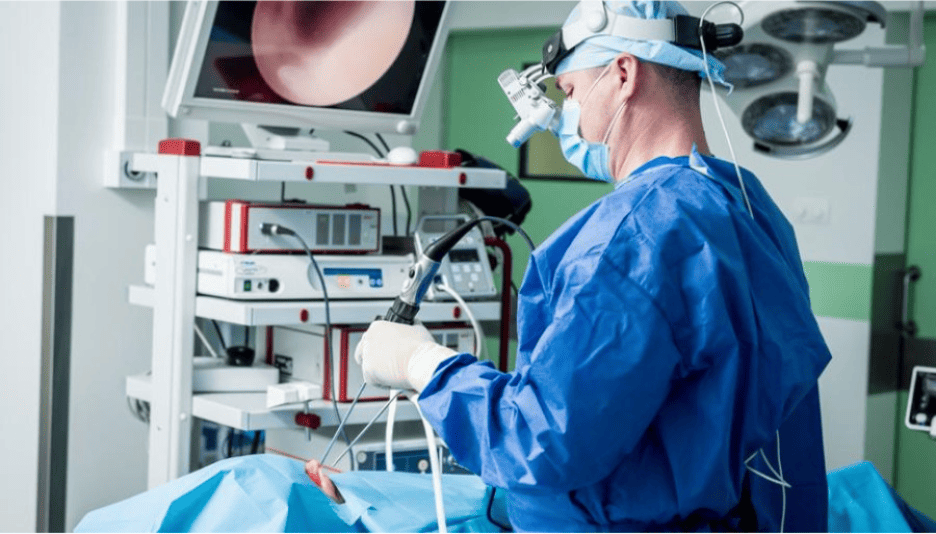
During the procedure, an endoscope is passed through the nose to provide visualization of the nasal cavity and sinuses. A catheter is then guided into the affected sinus. The small balloon is positioned within the blocked passageway and inflated to widen the pathway. After the pathway has been opened, the balloon and catheter are removed.
Rather than surgically removing obstructing tissue to enlarge the opening, balloon sinuplasty uses controlled dilation to widen selected sinus drainage pathways while preserving surrounding tissue.
Balloon sinuplasty for sinus infections
Balloon sinuplasty for sinus infections may be considered when chronic sinus disease is associated with blocked drainage pathways and has not improved adequately with medication.
For patients experiencing balloon sinuplasty for recurrent sinus infections, the procedure may provide a way to open selected sinus passages when the underlying anatomy and disease pattern make balloon treatment appropriate.
Balloon sinuplasty does not remove nasal polyps or diseased tissue and is not a substitute for procedures such as ethmoidectomy when more extensive ethmoid disease requires surgical treatment.
Balloon sinuplasty for chronic sinusitis
Balloon sinuplasty for chronic sinusitis is considered for certain patients whose chronic symptoms do not improve with medication and whose sinus disease fits the conditions that can be treated with balloon dilation.
Patients may be candidates when symptoms persist despite appropriate medical management and the affected sinus pathways can be appropriately treated with balloon dilation. Patients with nasal polyps, significant septal obstruction, extensive ethmoid disease, scarring, or other anatomic or inflammatory problems may require additional or different procedures.
This makes diagnosis particularly important. Balloon treatment is directed at specific sinus drainage pathways, so it may not address every source of chronic sinus inflammation or nasal obstruction.
Balloon sinuplasty for sinus disease
Balloon sinuplasty for sinus disease focuses on widening selected sinus passageways and restoring natural drainage. Whether it is appropriate depends on the type and extent of disease.
A patient’s symptoms alone do not determine candidacy. Examination findings, medical history, and CT imaging may provide additional information about the condition of the sinuses and the anatomy of the drainage pathways. Dr. Zadeh examines patients, reviews CT imaging when available, and discusses medical history when determining whether balloon sinuplasty is appropriate.
Some patients instead experience recurrent acute rhinosinusitis, meaning separate episodes of acute sinusitis with periods of improvement between them. This differs from chronic rhinosinusitis, in which symptoms persist for at least 12 weeks. Distinguishing between these patterns matters because the evaluation and treatment plan may differ.
Balloon sinuplasty for repeated sinus infections
For someone seeking balloon sinuplasty for repeated sinus infections, the important question is whether impaired drainage is contributing to the recurring problem.
Balloon treatment may help selected patients by opening blocked passageways and allowing the sinuses to drain more normally. It does not address every cause of recurring infection, however, which is why a specialist evaluation is needed before choosing the procedure.
Also Read: When Balloon Sinuplasty Is Better Than More Medication
Who Is a Good Candidate for Balloon Sinuplasty?
Patients may be candidates when symptoms persist despite appropriate medical management and evaluation shows that the affected sinus drainage pathways can be treated with balloon dilation. The presence of nasal polyps, significant septal obstruction, extensive ethmoid disease, scarring, or other conditions may mean that additional or different treatment is needed.
The evaluation can involve:
- Reviewing the patient’s symptoms
- Discussing previous medical treatment
- Examining the nasal passages and sinuses
- Performing nasal endoscopy when appropriate
- Reviewing CT imaging when available
- Identifying the cause of the sinus symptoms
- Determining whether the affected sinus pathways can be treated with balloon dilation
Symptoms alone are not enough to determine candidacy. The diagnosis and treatment decision should be supported by the clinical evaluation and, when indicated, objective findings on nasal endoscopy or CT imaging.
The purpose of this evaluation is to distinguish patients who may benefit from balloon treatment from those who may need another form of sinus treatment.
For example, balloon sinuplasty does not remove nasal polyps or diseased tissue and is not a substitute for procedures such as ethmoidectomy when more extensive ethmoid disease requires surgical treatment.
Comparing medical treatment and procedures
Medication remains an important part of care for sinus disease. Depending on the cause, treatment may include medications for inflammation, allergies, or infection.
When symptoms continue despite medical treatment, a procedure may be discussed. Non-surgical treatment for chronic sinusitis may be appropriate for some patients, while others may require a procedure to address impaired sinus drainage.
Balloon sinuplasty provides a minimally invasive treatment for sinusitis for selected patients. However, minimally invasive treatment does not mean that it is appropriate for every form of sinus disease.
Balloon Sinuplasty vs. Traditional Sinus Surgery
Balloon sinuplasty and traditional endoscopic sinus surgery can both be used to treat certain forms of sinus disease, but they work differently.
Balloon sinuplasty uses a balloon catheter to widen selected sinus drainage pathways. The technique is to preserve the anatomy and integrity of the sinus while opening the natural drainage pathway.
Traditional endoscopic sinus surgery can address a broader range of problems. Depending on the patient’s condition, surgery may involve removing diseased tissue, nasal polyps, scar tissue, or other material contributing to obstruction.
This difference in treatment scope is important. A patient with a condition that can be addressed by widening a sinus opening may be considered for balloon sinuplasty, while someone with nasal polyps, extensive scarring, a deviated septum, or more extensive disease may need another procedure.
The appropriate approach depends on the patient’s anatomy, disease pattern, symptoms, and diagnostic findings.
Sinus surgery or balloon sinuplasty?
Dr. Zadeh provides both balloon sinuplasty and sinus surgery. The practice describes balloon sinuplasty as an endoscopic procedure for selected patients with chronic sinusitis, while sinus surgery is available for patients whose disease requires a different surgical approach.
The decision is not based simply on choosing the least invasive procedure. The procedure needs to address the condition responsible for the patient’s symptoms.
For this reason, sinus infection treatment may begin with medical care and progress to a procedure only when the patient’s symptoms and diagnostic findings support that approach.
What to Expect From Balloon Sinuplasty and Recovery
Dr. Zadeh typically performs balloon sinuplasty in the office using local anesthesia. General anesthesia may be used when needed in a hospital setting.
During an in-office procedure, an endoscope provides a magnified view of the nasal passages and sinus openings. A balloon catheter is then guided into the affected sinus and inflated to widen the passageway. Once the sinus has been treated, the balloon and endoscope are removed, and the patient can go home.
How long does recovery take after balloon sinuplasty?
Recovery after balloon sinuplasty is generally shorter than after more extensive sinus surgery, but the timeline varies by patient and by what was performed. Many patients return to routine activities within a few days. Temporary congestion, drainage, pressure, or fatigue may occur during early recovery. Dr. Zadeh provides individualized instructions about exercise, nose-blowing, nasal care, and medications after the procedure.
After treatment, continued care may still be needed for underlying inflammation or allergies. Patients may continue using nasal sprays depending on why they were prescribed. Patients should discuss medication use with their physician rather than stopping treatment on their own.
Balloon sinuplasty addresses selected drainage problems, but it does not remove every possible cause of chronic sinus disease. Patients can still experience inflammation or other sinus symptoms after treatment.
Can balloon sinuplasty help with repeated sinus infections?
It may help selected patients when recurrent sinus disease is associated with impaired drainage through sinus pathways that can be treated with balloon dilation.
It is not a universal treatment for every recurring sinus infection. The cause of the infections needs to be evaluated first.
Is balloon sinuplasty effective for recurrent sinus infections?
For appropriately selected patients, balloon sinuplasty may improve sinus drainage and reduce sinonasal symptoms. Some patients with recurrent episodes related to obstructed drainage may also experience fewer episodes after treatment, although individual results vary.
Balloon dilation does not address every cause of recurrent or chronic sinus disease, and some patients require additional or different treatment.
Can balloon sinuplasty treat chronic sinusitis?
Balloon sinuplasty may be considered for selected patients whose symptoms persist despite appropriate medical management and whose disease involves sinus drainage pathways that can be treated with balloon dilation. A specialist evaluation is needed to determine whether balloon dilation alone or another treatment approach is appropriate.
The procedure opens selected sinus passageways to improve drainage. A specialist evaluation is needed to determine whether the patient’s disease fits this treatment.
Also Read: Can Balloon Sinuplasty Treat Recurrent Acute Sinusitis?
Balloon Sinuplasty at the Los Angeles Sinus Institute in Los Angeles
Dr. Mani H. Zadeh is a board-certified otolaryngologist and rhinologist whose practice focuses heavily on nasal and sinus conditions, including chronic rhinosinusitis, nasal polyps, deviated septum, sinus surgery, and balloon sinuplasty.
The practice evaluates patients based on their symptoms, medical history, nasal examination, and CT imaging when available. This evaluation helps determine whether balloon sinuplasty or another form of treatment is appropriate.
Dr. Zadeh’s credentials include an MD from the University of California, San Diego, undergraduate education at UCLA, residency training in otolaryngology-head and neck surgery at Columbia University College of Physicians and Surgeons, and board certification in otolaryngology-head and neck surgery. His subspecialty focus is rhinology, which involves nasal and sinus disorders.
For patients with recurring sinus symptoms, the practice provides several treatment approaches rather than using balloon sinuplasty for every case. Available services include balloon sinuplasty, sinus surgery, nasal endoscopy, and treatment for sinusitis and other nasal conditions.
Conclusion
Repeated sinus infections can be associated with impaired drainage caused by inflammation or narrowing of the sinus openings. When chronic sinus disease continues despite medical treatment, balloon sinuplasty may be considered for selected patients whose anatomy and disease pattern fit the procedure.
Balloon sinuplasty uses a small balloon catheter to widen selected sinus passageways while preserving the surrounding sinus tissue. It may provide a minimally invasive treatment for sinusitis in appropriate patients, but it is not suitable for every type of sinus disease.
Dr. Mani H. Zadeh evaluates patients with recurrent sinus symptoms using their medical history, examination, and imaging when appropriate. This evaluation helps determine whether balloon sinuplasty, sinus surgery, medical treatment, or another approach fits the patient’s condition.
FAQs
Can balloon sinuplasty help with repeated sinus infections?
It may help selected patients when recurrent sinus disease is associated with impaired drainage through sinus pathways that can be treated with balloon dilation. Because repeated sinus symptoms can have different causes, evaluation is needed to determine whether impaired drainage is contributing.
Is balloon sinuplasty effective for recurrent sinus infections?
For appropriately selected patients, balloon sinuplasty may improve sinus drainage and reduce sinonasal symptoms. Some patients with recurrent episodes related to obstructed drainage may experience fewer episodes after treatment, although individual results vary.
Can balloon sinuplasty treat chronic sinusitis?
Yes, balloon sinuplasty may be considered for selected patients with chronic rhinosinusitis whose symptoms persist despite appropriate medical management and whose affected sinus pathways can be treated with balloon dilation. Some patients require additional or different procedures depending on their anatomy and disease pattern.
How long does recovery take after balloon sinuplasty?
Recovery varies, but many patients return to routine activities within a few days. Temporary congestion, drainage, pressure, or fatigue may occur during early recovery. Dr. Zadeh provides individualized instructions about exercise, nose-blowing, nasal care, and medications.
How do I know if I am a good candidate for balloon sinuplasty?
Dr. Zadeh evaluates symptoms, previous treatment, nasal and sinus findings, and imaging when appropriate. Candidacy depends on whether the patient’s disease involves sinus drainage pathways that can be treated effectively with balloon dilation and whether other conditions require additional treatment.
How does balloon sinuplasty treat sinus disease?
A thin endoscope is used to view the nasal cavity and sinus passages. A small balloon catheter is guided into a selected sinus and inflated to widen the drainage pathway. The balloon and catheter are then removed, leaving the natural sinus opening widened to improve drainage.