
Most people experience an occasional sinus infection after a cold or seasonal allergies. While these episodes can be uncomfortable, they usually resolve with appropriate medical care and do not return frequently.
Recurrent sinusitis, however, is different. Patients with recurrent acute sinusitis experience repeated infections throughout the year, often requiring multiple courses of antibiotics and missing work, social activities, or sleep because of ongoing symptoms. Repeated infections can also affect breathing, concentration, and daily comfort.
It is also important to distinguish recurrent acute sinusitis from chronic sinusitis. Chronic sinusitis involves symptoms that last for 12 weeks or longer, while recurrent acute sinusitis consists of separate infections with complete resolution between episodes.
For carefully selected patients, balloon sinuplasty in Los Angeles is a minimally invasive sinus treatment that may help reduce recurring infections by improving sinus drainage. Rather than being a one-size-fits-all solution, balloon sinus dilation is recommended only after a detailed evaluation identifies the underlying cause of repeated infections. Dr. Mani H. Zadeh performs in-office balloon sinuplasty using local anesthesia when appropriate and develops individualized treatment recommendations based on each patient’s anatomy and condition.
What Is Recurrent Acute Sinusitis?
Acute rhinosinusitis refers to short-term inflammation of the nasal passages and sinuses, most often caused by a viral upper respiratory infection. Some episodes later develop into bacterial sinus infections.
In general, recurrent acute sinusitis is defined as four or more distinct sinus infections within one year, with symptoms clearing completely between each infection.
Common symptoms include:
- Facial pain and pressure
- Nasal congestion
- Thick nasal drainage
- Headaches
- Reduced sense of smell
Several factors may contribute to recurrent sinus infections, including:
- Allergies that inflame the nasal lining
- Viral upper respiratory infections
- Anatomical narrowing of the sinus openings
- Environmental irritants
Although each infection may improve with medication, the underlying drainage problem may remain, allowing another infection to develop later.
Also Read: How to Cure Sinus Headache With a Balloon
Why Do Sinus Infections Keep Coming Back?
Recurring sinus infection episodes often point to an underlying drainage problem rather than repeated exposure to bacteria alone.
Healthy sinuses continuously produce mucus that drains through small natural openings into the nasal cavity. When these drainage pathways become narrowed or blocked, mucus becomes trapped. Poor ventilation and retained mucus create conditions that may increase the likelihood of bacterial infection.
Several issues may contribute to this cycle, including:
- Blocked sinus drainage pathways
- Ongoing inflammation within the nasal lining
- Structural abnormalities that interfere with normal airflow and drainage
Many patients receive repeated courses of antibiotics. While antibiotics may help clear an active bacterial infection, they do not correct narrowed sinus openings or structural problems. As a result, symptoms may improve temporarily before another infection develops weeks or months later.
Identifying and treating the underlying drainage issue is often an important part of reducing future infections.
How Balloon Sinuplasty Works
Balloon sinus dilation, commonly known as balloon sinuplasty, is a minimally invasive procedure designed to open blocked sinus passageways without removing bone or tissue.
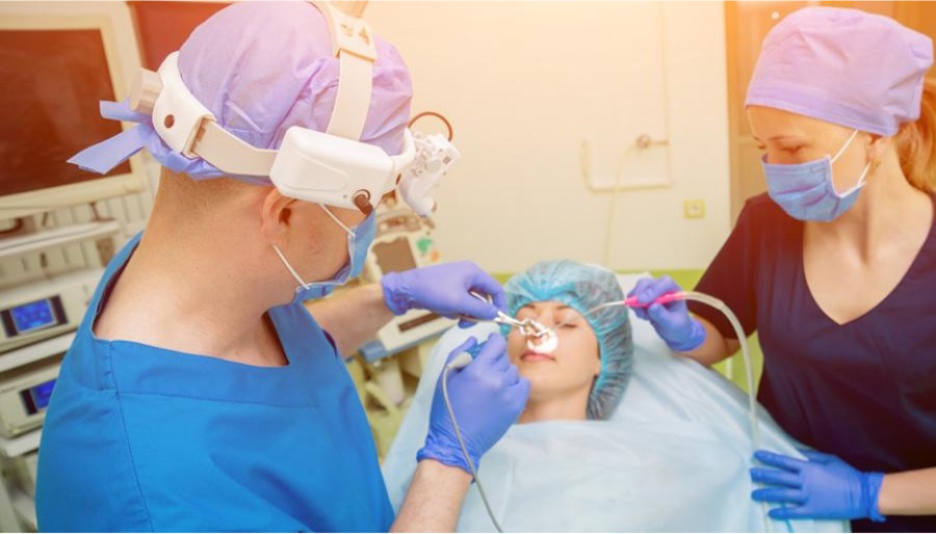
During the procedure, Dr. Zadeh guides a small balloon catheter through the nose using an endoscope. Once positioned within the narrowed sinus opening, the balloon is gently inflated to widen the natural drainage pathway. The balloon is then removed, leaving the sinus opening gently dilated to improve drainage.
Unlike traditional sinus surgery, balloon sinuplasty preserves the natural anatomy of the sinus while restoring ventilation and drainage. The procedure is commonly performed in the office using local anesthesia, allowing many patients to return to normal daily activities within about 24 hours.
Can Balloon Sinuplasty Help Patients with Recurrent Acute Sinusitis?
One of the most common questions patients ask is: Can balloon sinuplasty treat recurrent acute sinusitis?
For appropriately selected patients, the answer may be yes.
Many patients also ask how balloon sinuplasty helps recurrent sinusitis. The procedure improves the natural drainage pathways of the sinuses. When mucus flows more normally, the sinuses are less likely to remain blocked during future illnesses, which may reduce the frequency of recurring infections.
Patients who may benefit often include those who:
- Continue experiencing recurrent sinus infections despite appropriate medical therapy
- Frequently require antibiotics
- Have imaging or examination showing blocked sinus openings
- Prefer a minimally invasive alternative when appropriate
For individuals wondering, “Is balloon sinuplasty effective for recurrent sinus infections?”, the answer depends on whether blocked sinus drainage is the primary cause of their recurring episodes. Balloon sinuplasty addresses the drainage problem instead of repeatedly treating each infection with medication alone.
Candidacy depends on a comprehensive ENT evaluation, including a review of symptoms, nasal anatomy, and imaging findings.
Who Is (and Isn’t) a Good Candidate?
Good Candidates
Patients often ask, “Who is a candidate for balloon sinuplasty?”
Many patients considering balloon sinuplasty for recurrent sinus infections in Los Angeles meet one or more of the following criteria:
- Recurrent acute sinusitis despite appropriate medical therapy
- Symptoms that interfere with daily activities
- Evidence of blocked sinus openings on examination or CT imaging
- Interest in a minimally invasive alternative to traditional surgery
Patients Who May Need Other Treatments
Balloon sinuplasty is not appropriate for every case.
Some patients may require another type of sinus treatment if they have:
- Significant nasal polyps
- A deviated septum requiring correction
- Extensive sinus disease
- Ethmoid sinus disease or more complex anatomy
These situations often lead to another common question: Balloon sinuplasty vs traditional sinus surgery. Balloon sinuplasty widens the natural sinus openings without removing tissue, while traditional endoscopic sinus surgery may be recommended for patients with more extensive disease, nasal polyps, or anatomical conditions that require surgical correction.
Also Read: Balloon Sinuplasty: What to Expect During and After Your Procedure
Why Balloon Sinuplasty Doesn’t Help Every Patient
Although balloon sinuplasty can be highly effective for appropriately selected patients, recurrent sinus infections are not always caused by blocked sinus drainage alone. Allergies, immune disorders, nasal polyps, significant septal deviation, or other conditions may also contribute to recurring infections. Identifying the underlying cause helps determine whether balloon sinuplasty, another procedure, or continued medical management is the most appropriate treatment.
What to Expect During Your Evaluation
Choosing the most appropriate treatment begins with a careful evaluation rather than assuming every patient requires balloon sinuplasty.
During your consultation, Dr. Zadeh may perform:
- A detailed review of your medical history
- Nasal endoscopy to examine the nasal passages and sinus openings
- In-office CT imaging when appropriate
- An individualized discussion of treatment recommendations
Depending on the findings, Dr. Zadeh may recommend balloon sinuplasty alone or determine that another procedure would provide better long-term management for your condition.
Benefits of Balloon Sinuplasty for the Right Patient
Understanding the benefits of balloon sinuplasty for sinus infections begins with recognizing that the procedure improves sinus drainage rather than simply treating each infection individually.
For appropriate candidates, potential benefits include:
- Reduced frequency of sinus infections
- Improved sinus drainage
- Relief of facial pressure and nasal congestion
- Minimal downtime
- Preservation of normal sinus anatomy
- Long-lasting symptom improvement for appropriately selected patients
Another common question is: does balloon sinuplasty prevent recurring sinus infections? While no procedure can guarantee that future infections will never occur, improving sinus drainage may reduce how often infections develop in properly selected patients.
Recovery after balloon sinuplasty for recurrent sinusitis is generally straightforward. Many patients resume normal daily activities within one to two days, although individual recovery times vary.
When It’s Time to See a Sinus Specialist
Repeated sinus infections should not simply be accepted as normal.
You may benefit from seeing a sinus specialist if you:
- Experience multiple infections each year
- Frequently require antibiotics
- Continue having symptoms between infections
- Have recurring facial pressure or congestion despite treatment
A detailed evaluation can determine whether blocked sinus drainage, structural concerns, allergies, or another condition is contributing to your symptoms. Understanding the underlying cause helps identify the most appropriate treatment.
Also Read: The Sinus Balloon Speedy Recovery
Conclusion
Recurrent acute sinusitis can have a significant impact on daily life, especially when infections continue returning despite medication.
For carefully selected patients, balloon sinuplasty offers a minimally invasive way to improve sinus drainage without removing bone or tissue. By addressing the underlying drainage problem, it may help reduce the frequency of future infections rather than repeatedly treating individual episodes.
The key is identifying the source of recurring sinus infections through a detailed ENT evaluation. With a personalized treatment plan, patients can better understand whether balloon sinuplasty or another approach offers the most appropriate path forward.
Schedule a consultation with Dr. Mani Zadeh to determine whether balloon sinuplasty or another personalized sinus treatment is the right solution for your recurrent sinus infections.