
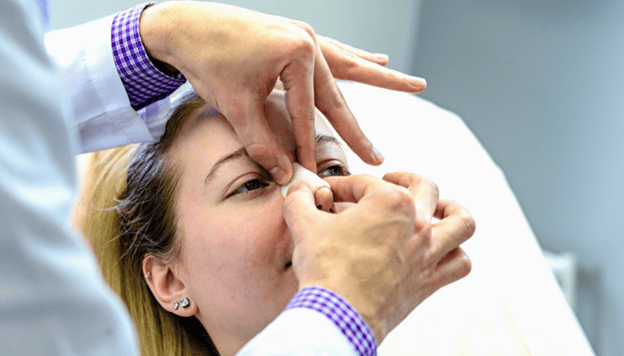
Nasal polyps do not always require surgery. Many patients begin with medical treatment, including prescription nasal corticosteroids, saline irrigations, and, in selected cases, biologic medications. Surgery may become appropriate when polyps continue to cause significant nasal obstruction, loss of smell, recurrent sinus problems, or other symptoms despite appropriate medical treatment.
Board-certified ENT specialist Dr. Mani H. Zadeh evaluates each patient individually before recommending surgery. At his Los Angeles practice, image-guided endoscopic sinus surgery provides a minimally invasive, outpatient option for patients whose polyps require surgical treatment. This guide explains why nasal polyps develop, when medical treatment may be enough, and when it may be time to discuss surgery with an ENT specialist.
What Are Nasal Polyps and What Causes Them?
Benign Growths vs. Other Nasal Conditions
Nasal polyps are soft, noncancerous growths that develop from the inflamed lining of the nose and sinuses. They are commonly associated with chronic inflammation and may grow gradually enough that patients do not notice them until nasal breathing, sinus drainage, or the sense of smell begins to change.
Although nasal polyps themselves are benign, they can significantly affect quality of life when they become large or widespread. Persistent congestion, difficulty breathing through the nose, reduced smell, and recurring sinus symptoms are common reasons patients eventually seek an ENT evaluation.
Not every growth inside the nose is a typical nasal polyp, however. An unusual growth, particularly one that appears only on one side, should be evaluated by an ENT specialist to determine the cause and rule out other conditions.
Common Conditions Associated With Nasal Polyps
Nasal polyps frequently occur alongside chronic rhinosinusitis, a condition involving persistent inflammation of the nasal and sinus lining. Asthma and allergies may also contribute to the inflammatory environment associated with polyp development.
Some patients have aspirin-exacerbated respiratory disease (AERD), sometimes called Samter’s Triad. This condition involves asthma, nasal polyps, and respiratory reactions to aspirin or certain other nonsteroidal anti-inflammatory medications.
Understanding what is contributing to a patient’s inflammation matters because treating nasal polyps is not simply about removing visible tissue. Long-term management may also involve controlling the underlying inflammatory disease that allows polyps to develop or return.
Also Read: Do Nasal Polyps Require Surgery?
When Can Nasal Polyps Be Treated Without Surgery?
Surgery is not automatically the first step after nasal polyps are diagnosed. Treatment depends on the extent of the disease, the severity of symptoms, associated medical conditions, and how well the patient responds to appropriate medical therapy.
Prescription Nasal Corticosteroids
Prescription corticosteroid sprays are commonly used to reduce inflammation within the nose and may help shrink nasal polyps. Some patients may also use steroid-containing nasal irrigations when appropriate to deliver medication more broadly throughout the nasal and sinus passages.
For more extensive inflammation, an ENT specialist may prescribe a short course of oral corticosteroids in selected cases. These medications can temporarily reduce inflammation and polyp size, but the risks and benefits need to be considered for the individual patient.
The response to medical therapy can also provide useful information. If symptoms improve substantially, surgery may not be necessary at that point. If significant obstruction and other symptoms continue despite treatment, the next step may need to be reconsidered.
Biologic Medications for Certain Patients
Biologic medications have expanded the treatment options available for some patients with chronic rhinosinusitis with nasal polyps. Rather than broadly suppressing inflammation, these medications target specific inflammatory pathways involved in Type 2 inflammation, which plays an important role in many cases of severe nasal polyp disease.
Biologics may be considered for selected patients with severe or recurrent nasal polyps based on the pattern and severity of their disease, previous treatment, associated conditions, and other clinical factors. They may also be considered for some patients who continue to experience recurrent disease after surgery.
Unlike surgery, biologic treatment generally involves ongoing medication. For that reason, the decision between medical therapy, biologic treatment, and surgery is individualized rather than based on a single symptom or finding.
Saline Irrigation and Allergy Management
Saline irrigation can help clear mucus, allergens, and other irritants from the nasal passages. For many patients, it remains part of the treatment plan even when prescription medication or surgery is also needed.
When allergies contribute to ongoing nasal inflammation, identifying and managing those triggers may also help control symptoms. The goal is not simply to make the polyps smaller temporarily, but to address the inflammation contributing to the overall sinus condition.
How Do Medical Treatment, Biologics, and Surgery Compare?
There is no single nasal polyp treatment that makes sense for every patient. The appropriate approach depends on the extent of the polyps, symptom burden, underlying inflammation, previous treatment, and what an ENT specialist finds during the evaluation.
| Treatment | What It Involves | May Be Considered For | Potential Benefit | Important Consideration |
|---|---|---|---|---|
| Medical Therapy | Prescription nasal corticosteroids, saline irrigation and, in selected cases, oral corticosteroids | Patients who may respond adequately to medical management | Can reduce inflammation, shrink polyps, and improve symptoms | Symptoms or polyp growth may return when treatment is reduced or discontinued |
| Biologic Therapy | Injectable medications targeting specific inflammatory pathways | Selected patients with severe or recurrent nasal polyp disease | Can reduce polyp burden and symptoms without surgical removal | Typically requires ongoing treatment and is not appropriate for every patient |
| Endoscopic Sinus Surgery | Endoscopic removal of obstructing polyps and treatment of affected sinus passages | Patients with persistent or significant disease despite appropriate medical treatment | Can improve nasal airflow and sinus drainage | Polyps can recur, so ongoing medical management may still be necessary |
Dr. Zadeh evaluates the entire clinical picture rather than recommending treatment based on polyp size alone. In some cases, medical therapy is enough. In others, surgery or a combination of surgical and medical treatment may provide a more appropriate path forward.
Also Read: Why Nasal Polyp Surgery Matters
When Might an ENT Recommend Surgery for Nasal Polyps?
The decision to recommend surgery usually comes from a combination of symptoms, examination findings, imaging, and the patient’s response to previous treatment.
Having one of the symptoms below does not automatically mean surgery is necessary. Persistent or severe symptoms, however, can be a reason to see an ENT specialist and determine whether physical obstruction from nasal polyps is contributing to the problem.
Persistent Nasal Obstruction and Mouth Breathing
Large or extensive polyps can make it increasingly difficult to breathe through the nose. Some patients notice that congestion never fully clears, while others eventually rely heavily on mouth breathing during the day or while sleeping.
When significant obstruction continues despite appropriate medical treatment, an ENT specialist may evaluate whether removing the obstructing polyps and improving the sinus openings could provide better symptom control.
Loss or Significant Reduction in the Sense of Smell
Loss of smell is one of the symptoms commonly associated with nasal polyps. Polyps and surrounding inflammation can interfere with airflow reaching the olfactory region high inside the nasal cavity, affecting the ability to detect odors.
Because smell contributes significantly to the perception of flavor, patients may also describe food as tasting different or less flavorful.
A declining sense of smell does not by itself determine whether surgery is appropriate. It does, however, provide important information about the extent and effect of the disease and should be discussed during an ENT evaluation.
Recurrent Sinus Infections and Persistent Facial Pressure
When polyps interfere with normal sinus drainage and ventilation, some patients experience recurrent sinus infections along with persistent congestion, pressure, and inflammation.
Others may have symptoms that never completely resolve between episodes. Ongoing congestion can also interfere with sleep and make patients feel as though they are constantly dealing with another sinus infection or flare.
An ENT evaluation can help distinguish symptoms related to nasal polyps and chronic sinus inflammation from other possible causes of facial pressure or recurrent nasal symptoms.
Symptoms That Continue Despite Appropriate Medical Treatment
One of the most important factors in the surgical decision is what happens after appropriate medical treatment has been tried.
If prescription nasal medications and other indicated therapies provide adequate control, surgery may not be necessary. When substantial obstruction, smell loss, recurrent symptoms, or chronic sinus disease persists despite treatment, endoscopic sinus surgery may become a reasonable option to discuss.
What to Expect During Nasal Polyp Surgery With Dr. Zadeh
When surgery is being considered, the process begins with confirming the diagnosis and understanding the patient’s individual sinus anatomy. Nasal polyps can vary considerably in location and extent, so surgical planning is based on the findings of the evaluation rather than a standard procedure for every patient.
Step 1: Nasal Endoscopy and Sinus Imaging
Dr. Zadeh can examine the nasal passages using nasal endoscopy, which provides a direct view inside the nose. CT imaging may also be used to evaluate the extent of sinus disease and provide a detailed view of the patient’s sinus anatomy.
Together, these findings help determine where polyps and inflammation are located, whether the sinus openings are obstructed, and what treatment may be appropriate.
Step 2: Minimally Invasive Endoscopic Surgery
When surgery is appropriate, nasal polyps can be treated with endoscopic sinus surgery. Small surgical instruments and an endoscope are passed through the nostrils, allowing Dr. Zadeh to reach the affected areas through the natural nasal passages.
Because the procedure is performed through the nostrils, it does not require external facial incisions.
The extent of surgery depends on the patient’s anatomy and disease. The goal is not simply to remove visible polyps, but to address obstructed sinus pathways where appropriate and improve access for ongoing postoperative treatment.
Step 3: Outpatient Recovery
Endoscopic sinus surgery is commonly performed as an outpatient procedure, allowing many patients to return home the same day.
Congestion, drainage, pressure, and some discomfort can occur during the early recovery period. The amount of discomfort and the time required before returning to work, exercise, and other normal activities vary depending on the extent of surgery and the individual patient.
Dr. Zadeh provides postoperative instructions based on the procedure performed and follows healing during subsequent visits.
Step 4: Long-Term Management After Surgery
Surgery does not necessarily eliminate the inflammatory tendency that caused nasal polyps to develop. For that reason, postoperative treatment can be an important part of maintaining symptom control.
Patients may continue saline irrigations and other medical therapy based on their individual condition. Follow-up also allows Dr. Zadeh to monitor healing and look for signs that inflammation or polyp disease is returning.
This long-term approach is especially important for patients with chronic inflammatory disease, asthma, allergies, or a history of recurrent polyps.
Can Nasal Polyps Come Back After Surgery?
Yes. Nasal polyps can recur after surgery because the underlying inflammatory condition may remain even after obstructing tissue has been removed.
Recurrence does not mean surgery was unsuccessful. Surgery can improve airflow, restore sinus drainage, reduce disease burden, and make it easier for topical medications and irrigations to reach the sinus passages. Long-term medical management can then be used to help control the inflammatory component of the disease.
The likelihood and timing of recurrence vary considerably between patients. This is another reason nasal polyp treatment is best approached as ongoing management rather than assuming one procedure will permanently eliminate the condition.
Also Read: After Nasal Polyp Surgery: How Finding and Treating the Source Helps Prevent Recurrence
Why Choose Dr. Zadeh for Nasal and Sinus Care in Los Angeles?
Specialized Nasal and Sinus Expertise
Dr. Mani H. Zadeh is a board-certified otolaryngologist-head and neck surgeon whose practice focuses on the diagnosis and treatment of nasal and sinus disorders. He trained in otolaryngology-head and neck surgery at Columbia University.
His practice regularly evaluates patients with chronic sinusitis, nasal obstruction, nasal polyps, and recurrent sinus conditions. This experience is particularly relevant when symptoms have persisted despite previous treatment or the cause of ongoing congestion has not been clearly identified.
Image-Guided Endoscopic Sinus Surgery
When surgery is appropriate, Dr. Zadeh uses image-guided technology during endoscopic sinus surgery. This provides real-time navigation within the patient’s individual sinus anatomy and can assist the surgeon when operating within the complex spaces surrounding the sinuses.
The technology is one part of the surgical approach. The procedure itself is planned according to the patient’s anatomy, extent of disease, symptoms, and previous response to treatment.
Treatment Based on the Cause of Your Symptoms
Not every patient with nasal polyps needs surgery, and the presence of polyps alone should not determine the treatment plan.
Dr. Zadeh evaluates the patient’s anatomy, symptom severity, extent of inflammation, and response to previous treatment before recommending the next step. Depending on those findings, treatment may involve medication, continued observation, biologic therapy when appropriate, surgery, or a combination of approaches.
The objective is to determine what is causing the patient’s persistent symptoms first and then choose treatment based on that diagnosis.
Frequently Asked Questions
Can Nasal Polyps Shrink Without Surgery?
Yes. Some nasal polyps can shrink with medical treatment, particularly prescription nasal corticosteroids. Other medications or biologic therapy may be appropriate for selected patients. Whether medical treatment provides enough relief depends on the severity of the disease, degree of obstruction, associated inflammation, and how the individual patient responds over time.
How Do I Know if My Nasal Polyps Are Severe Enough for Surgery?
There is no single symptom or polyp size that determines whether surgery is necessary. An ENT specialist considers the extent of the polyps, nasal and sinus obstruction, severity of symptoms, imaging findings, and response to appropriate medical treatment. Persistent obstruction, loss of smell, recurrent sinus problems, or significant symptoms despite treatment may lead to a discussion about surgery.
Is Nasal Polyp Surgery Painful?
Endoscopic sinus surgery is performed under anesthesia, so patients do not feel the procedure itself. During recovery, patients can experience congestion, pressure, drainage, and some discomfort. The experience varies depending on the extent of surgery and the individual patient, and postoperative instructions are provided to help manage the recovery period.
How Long Does Recovery Take After Nasal Polyp Surgery?
Recovery varies from patient to patient and depends partly on the extent of the procedure. Some patients are able to return to routine activities relatively quickly, while strenuous exercise and other activities may need to be restricted longer. Dr. Zadeh provides individualized postoperative instructions and monitors healing during follow-up appointments.
Do Nasal Polyps Grow Back After Surgery?
They can. Surgery removes obstructing polyp tissue and treats affected sinus passages, but it does not necessarily eliminate the underlying inflammatory condition responsible for polyp development. Saline irrigation, topical medication, treatment of associated inflammatory conditions, and ongoing ENT follow-up may be recommended to help manage the disease after surgery.
Will Nasal Polyp Surgery Restore My Sense of Smell?
Removing obstructing polyps may improve the sense of smell for some patients, but the degree of recovery varies. Chronic inflammation, the severity and duration of smell loss, recurrent disease, and other individual factors can influence the result. Dr. Zadeh can evaluate whether physical obstruction from polyps appears to be contributing to the loss of smell.
Can Nasal Polyps Be Treated With Biologic Medication Instead of Surgery?
Biologic medications may be appropriate for selected patients with severe or recurrent chronic rhinosinusitis with nasal polyps. They target specific inflammatory pathways and generally require ongoing treatment. Whether a biologic, surgery, medical therapy, or a combination is appropriate depends on the patient’s disease pattern, previous treatment, associated conditions, and other clinical factors.
How Do I Schedule a Nasal Polyp Consultation With Dr. Zadeh in Los Angeles?
Patients can schedule a consultation with Dr. Zadeh by requesting an appointment online. During the evaluation, Dr. Zadeh can determine whether nasal polyps or another nasal or sinus condition is responsible for persistent symptoms and discuss appropriate treatment options.
Schedule Your Nasal Polyp Evaluation With Dr. Zadeh
Persistent congestion, difficulty breathing through the nose, recurrent sinus symptoms, or a declining sense of smell should not automatically be assumed to be allergies or another lingering infection. Nasal endoscopy and, when appropriate, sinus imaging can help determine whether nasal polyps, chronic inflammation, structural obstruction, or another condition is contributing to the problem.
Dr. Mani H. Zadeh’s approach begins with identifying that cause before recommending treatment. If nasal or sinus symptoms continue despite treatment or repeatedly return, schedule an evaluation with Dr. Zadeh in Los Angeles to determine whether medical management, biologic therapy, surgery, or another approach makes the most sense for your condition.
This guide provides general medical educational information and is not formal medical advice. Individual diagnostic findings and treatment requirements vary. Consult a licensed ENT specialist for an accurate evaluation and personalized treatment plan.