
Healthy sinuses rely on open drainage pathways that allow mucus to flow normally from the sinus cavities into the nose. When these pathways become blocked, mucus can accumulate inside the sinuses, creating pressure and interfering with normal sinus function.
Blocked sinus drainage is a common cause of facial pressure, nasal congestion, recurrent infections, sinus pain, and a reduced sense of smell. While medications may help control inflammation, some patients continue experiencing symptoms because the underlying obstruction remains in place.
Understanding how endoscopic sinus surgery treats blocked sinus drainage can help patients learn why this procedure is often recommended for chronic sinus disease. Endoscopic sinus surgery is designed to restore normal drainage pathways and improve sinus function by addressing the source of the blockage.
Why Sinus Drainage Becomes Blocked
Several conditions can interfere with normal sinus drainage and contribute to ongoing symptoms.
Chronic Inflammation
One of the most common causes of blocked sinus drainage is chronic inflammation.
When the lining of the sinuses becomes swollen, the small openings that connect the sinuses to the nasal cavity can narrow or close completely. As these drainage pathways become restricted, mucus may become trapped within the sinus cavities.
This buildup can create:
- Facial pressure
- Sinus pain
- Nasal congestion
- Recurrent infections
- Reduced sense of smell
Chronic sinusitis is frequently associated with ongoing inflammation that interferes with normal drainage and airflow. Over time, symptoms may continue despite medical treatment if the blockage remains present.
Nasal Polyps
Nasal polyps are soft tissue growths that develop within the nasal passages and sinuses.
As polyps enlarge, they can physically obstruct sinus drainage pathways and reduce airflow through the nose. Mucus may become trapped behind these obstructions, contributing to chronic sinus problems and recurrent infections.
Patients with nasal polyps often experience:
- Nasal congestion
- Facial pressure
- Reduced sense of smell
- Chronic sinusitis
- Difficulty breathing through the nose
When polyps significantly interfere with drainage, sinus blockage treatment may require more than medication alone.
Structural Abnormalities
Structural issues inside the nose can also contribute to blocked sinus drainage.
Common examples include:
- Deviated septum
- Narrow sinus openings
- Anatomical variations affecting drainage pathways
These conditions may restrict airflow and limit the ability of mucus to drain normally.
Because anatomical abnormalities involve the physical structure of the nose and sinuses, they often cannot be corrected with medication alone. In some situations, surgery may be necessary to restore more normal drainage.
Also Read: Is Sinus Surgery Your Solution? Understanding the Path to Relief
How Endoscopic Sinus Surgery Works
Many patients researching what patients should know about endoscopic sinus surgery are surprised to learn that the procedure is performed entirely through the nostrils.
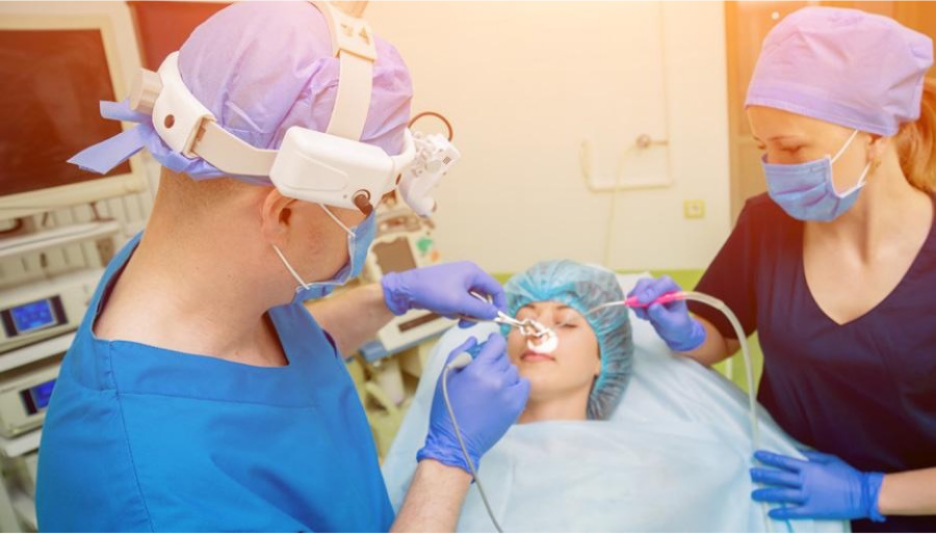
During endoscopic sinus surgery, the surgeon uses a small camera called an endoscope to examine the nasal passages and sinus openings. This allows detailed visualization of the areas contributing to blockage.
No external incisions are required.
Using specialized instruments, the surgeon identifies and removes tissue, polyps, scar tissue, or other obstructions that prevent normal drainage.
The goal is to create more open and functional sinus pathways that allow mucus to move more freely from the sinuses into the nasal cavity.
How endoscopic sinus surgery restores normal breathing is closely related to its ability to improve airflow and reduce obstruction within the nasal passages and sinus openings.
Many patients also hear the procedure referred to as functional endoscopic sinus surgery. Functional endoscopic sinus surgery focuses on restoring the natural function of the sinuses while preserving normal surrounding structures whenever possible.
What Areas of Blockage Can Be Addressed
Chronic Sinusitis
Chronic sinusitis is one of the most common reasons patients undergo endoscopic sinus surgery.
Inflammation and tissue changes associated with chronic sinusitis can create ongoing obstruction within the sinus drainage pathways.
Endoscopic sinus surgery allows the surgeon to remove areas contributing to blockage and improve drainage from affected sinus cavities.
This is one of the primary benefits of endoscopic sinus surgery for chronic sinusitis. By improving drainage, the procedure helps reduce the cycle of inflammation and mucus retention that contributes to ongoing symptoms.
Nasal Polyps
Nasal polyps can significantly interfere with airflow and sinus drainage.
During surgery, polyp tissue can be removed to help restore airflow and create more open drainage pathways.
For patients with extensive polyp disease, this approach may help reduce nasal congestion and improve sinus function.
Narrowed Sinus Openings
Some patients have naturally narrow sinus openings or drainage pathways that have become restricted by chronic inflammation.
Surgery can enlarge these openings, allowing mucus to clear more freely and reducing the likelihood of continued blockage.
How FESS surgery relieves blocked sinus passages often involves widening these drainage pathways so that mucus and air can move more normally through the sinuses.
Benefits of Restoring Sinus Drainage
When normal drainage is restored, many patients experience improvement in symptoms that have affected them for years.
Potential benefits include:
- Reduced facial pressure and sinus pain
- Fewer sinus infections
- Improved nasal breathing
- Better mucus clearance
- Improved airflow through the nose
- Enhanced sense of smell for many patients
The benefits of endoscopic sinus surgery for chronic sinusitis often extend beyond symptom relief. Improved drainage can also help reduce future episodes of sinus inflammation and infection.
How functional endoscopic sinus surgery improves sinus drainage is directly related to these improvements in airflow and mucus clearance.
Also Read: The Tipping Point: When ENT Specialists Recommend Endoscopic Sinus Surgery
Who May Be a Candidate
Not every patient with sinus symptoms requires surgery.
Candidates for endoscopic sinus surgery often include individuals with:
- Symptoms that continue despite medications
- Recurrent sinus infections
- Chronic sinusitis confirmed through imaging
- Nasal polyps
- Structural blockages affecting sinus function
- Ongoing blocked sinus drainage
Patients seeking endoscopic sinus surgery for chronic sinus infections in Los Angeles are often referred for further evaluation after medical treatment fails to provide sufficient relief.
When blocked sinus drainage requires surgery typically depends on the severity of symptoms, imaging findings, and response to prior treatment.
How Specialists Determine If Surgery Is Needed
Determining whether sinus surgery is appropriate involves a detailed evaluation of the nasal passages and sinus cavities.
Nasal Endoscopy
Nasal endoscopy allows an ENT specialist to directly examine the source of blockage.
This examination can identify:
- Chronic inflammation
- Nasal polyps
- Areas of obstruction
- Drainage problems
- Anatomical abnormalities
CT Imaging
CT imaging provides detailed images of the sinus cavities and surrounding structures.
Imaging can reveal:
- Areas of blocked sinus drainage
- Chronic sinusitis
- Structural abnormalities
- Narrowed sinus openings
- Extent of disease within the sinuses
Review of Prior Treatments and Symptom History
An ENT specialist will also review previous treatments, symptom history, and the impact symptoms have on daily activities before recommending surgery.
Recovery and Expected Results
Recovery following endoscopic sinus surgery varies depending on the extent of treatment performed.
Most patients can expect gradual improvement as the sinuses heal and swelling decreases.
Follow-up care plays an important role in the healing process and may include office visits, saline irrigations, and ongoing monitoring of sinus recovery.
Patients often notice progressive improvement in:
- Nasal breathing
- Sinus pressure
- Congestion
- Drainage
- Frequency of infections
How endoscopic sinus surgery treats blocked sinus drainage becomes evident during recovery as improved airflow and drainage help reduce future sinus problems.
Patients considering FESS surgery Los Angeles treatment frequently ask about recovery expectations. Individual experiences vary, but many patients return to routine activities relatively quickly while continuing to heal over the following weeks.
Also Read: A Brief Survey of Sinus Surgery
Conclusion
Endoscopic sinus surgery focuses on addressing the underlying causes of blocked sinus drainage rather than simply managing symptoms. By removing obstructions and restoring more normal sinus pathways, the procedure can improve airflow, mucus clearance, and overall sinus function.
For patients living with chronic sinusitis, recurrent infections, nasal polyps, or ongoing drainage problems, functional endoscopic sinus surgery may provide meaningful improvement. Understanding how endoscopic sinus surgery treats blocked sinus drainage can help patients make informed decisions about treatment and long-term sinus health.
FAQs
What is functional endoscopic sinus surgery?
Functional endoscopic sinus surgery, often called FESS, is a minimally invasive sinus surgery performed through the nostrils using a small camera and specialized instruments. The procedure is designed to restore normal sinus drainage and improve sinus function.
When is sinus surgery necessary?
Sinus surgery may be recommended when symptoms continue despite medical treatment, when chronic sinusitis is confirmed through imaging, or when nasal polyps and structural abnormalities are causing ongoing blockage and drainage problems.
Is endoscopic sinus surgery painful?
Most patients experience some discomfort, congestion, and swelling during recovery, but pain is generally manageable and varies depending on the extent of the procedure.
How long is recovery after sinus surgery?
Recovery timelines vary, but many patients return to normal activities within several days to a couple of weeks while internal healing continues over a longer period.
Can sinus surgery improve breathing?
Yes. By removing obstructions and restoring airflow through the nasal passages and sinus openings, endoscopic sinus surgery can improve breathing for many patients.
CTA for Client
If you are experiencing chronic sinusitis, recurrent infections, blocked sinus drainage, or symptoms that continue despite treatment, Dr. Mani H. Zadeh can evaluate the source of the problem and discuss available sinus blockage treatment options. Contact the Los Angeles Sinus Institute to schedule a consultation with an ENT specialist and learn more about Endoscopic sinus surgery, Functional endoscopic sinus surgery, and FESS surgery Los Angeles treatment options.