
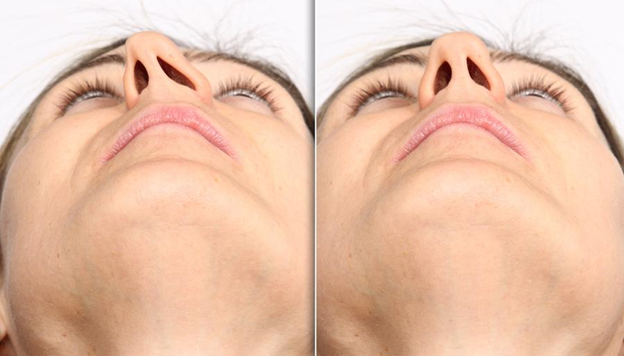
How Nasal Obstruction Impacts Sleep Quality
Many people experience chronic nasal blockage on one side without realizing that a structural issue inside the nose may be responsible. A deviated septum in Los Angeles is one of the most common causes of long-term nasal obstruction and breathing problems. When the septum shifts away from the center of the nose, airflow becomes uneven, making one nasal passage significantly narrower than the other.
This restriction often becomes more noticeable during sleep. Reduced airflow through the nose can contribute to snoring, disrupted sleep, dry mouth, and daytime fatigue. In some cases, symptoms may overlap with those of sleep apnea, particularly when nasal breathing is severely limited at night.
Understanding how a deviated septum affects airflow and sleep quality can help patients recognize when medical evaluation and treatment may be necessary. For many individuals, correcting the structural problem improves breathing, sleep quality, and daily comfort.
What Is a Deviated Septum?
The septum is the thin wall of cartilage and bone that separates the two nasal passages. Ideally, the septum sits near the center of the nose, allowing air to move evenly through both sides.
A deviated septum occurs when this wall shifts off-center. The condition may develop during birth or result from facial injury later in life. Even a mild deviation can interfere with airflow and sinus drainage.
Some people may not notice symptoms for years, while others experience chronic nasal congestion from deviated septum issues that steadily worsen over time. The severity of symptoms often depends on how much the septum narrows on one side of the nose and whether inflammation is also present.
Also Read: Is a Deviated Septum the Cause of Your Chronic Sinusitis? We Have Solutions
Why a Deviated Septum Causes One-Sided Nasal Obstruction
When the septum bends toward one side, it reduces the amount of space available for airflow in that nasal passage. The narrowed side becomes more resistant to airflow, leading to one-sided nasal blockage that may feel constant or fluctuate throughout the day.
Swelling inside the nose can make the obstruction more severe. Allergies, colds, environmental irritants, and dry air may increase inflammation in already narrow nasal passages. As swelling increases, breathing through the restricted side becomes even more difficult.
Symptoms often become more noticeable when lying down or sleeping. Many people searching for answers about how a deviated septum causes one-sided nasal obstruction and poor sleep quality are surprised to learn how strongly body position affects nasal airflow.
Common Symptoms of a Deviated Septum
Deviated septum symptoms can vary depending on the degree of obstruction and associated nasal inflammation. Some patients experience mild congestion, while others struggle with chronic breathing difficulties.
Common symptoms include:
- One-sided nasal congestion
- Difficulty breathing through the nose
- Mouth breathing
- Snoring
- Facial pressure or headaches
- Frequent sinus infections
- Dry mouth upon waking
- Sleep disturbances
- Reduced sense of smell
In some cases, patients may also report symptoms similar to those of sleep apnea, including restless sleep, loud snoring, and excessive daytime fatigue.
Because many of these symptoms overlap with allergies or sinus conditions, proper evaluation is important to identify the actual source of nasal obstruction.
How a Deviated Septum Affects Sleep Quality
Reduced Airflow During Sleep
Restricted nasal breathing can significantly interfere with sleep patterns. During sleep, the body relies heavily on steady nasal airflow to support comfortable breathing and stable oxygen exchange.
When airflow becomes limited, patients may wake repeatedly throughout the night without fully realizing it. Interrupted sleep cycles can prevent the body from reaching deeper stages of restorative sleep.
Over time, poor sleep quality may contribute to daytime exhaustion, irritability, and difficulty concentrating.
Increased Mouth Breathing
Many people begin breathing through their mouths during sleep when their noses are blocked. Mouth breathing dries the throat and oral tissues, often causing dry mouth and throat irritation upon waking.
Mouth breathing may also worsen snoring and fragmented sleep. Some patients experience increased discomfort during allergy seasons or respiratory infections when nasal swelling becomes more pronounced.
Snoring and Sleep Disturbances
Poor nasal airflow increases resistance throughout the upper airway. As breathing becomes more difficult, vibration within the airway may lead to snoring.
Deviated septum and snoring problems, when explained together, often reveal how structural nasal obstruction contributes to nighttime breathing disturbances. While not every patient develops sleep apnea, restricted airflow can still reduce sleep quality and increase nighttime awakenings.
Patients with existing sleep apnea symptoms may also notice worsening breathing difficulties when nasal obstruction remains untreated.
Also Read: Does a Deviated Septum Require Surgery?
Daytime Fatigue
Interrupted sleep can affect nearly every aspect of daily life. Patients commonly report fatigue, low energy, headaches, and reduced concentration during the day.
Long-term sleep disruption may also affect mood, productivity, and physical health. Addressing nasal obstruction often helps patients regain more restful sleep and improved daytime function.
Why Symptoms Often Worsen at Night
Many people notice that their breathing problems worsen when lying down. Several factors contribute to worsening nighttime congestion.
Lying flat increases blood flow and swelling inside the nasal tissues. Gravity also affects how tissues inside the nose shift during sleep, which can further narrow the already-restricted nasal passage.
As nighttime airflow decreases, patients may feel increased pressure, congestion, and difficulty breathing comfortably through the nose. This explains why chronic nasal congestion from deviated septum issues often becomes most noticeable during sleep.
How a Deviated Septum Is Diagnosed
Physical Examination
Evaluation by an ENT specialist begins with a detailed examination of the nasal passages and overall nasal structure. The physician reviews symptoms related to breathing, congestion, snoring, and sleep quality.
Assessment may also include evaluation of sinus function and airflow through each nasal side.
Nasal Endoscopy
Nasal endoscopy provides a detailed view inside the nasal passages using a thin camera. This examination allows the physician to identify the severity and location of the deviation.
Endoscopy may also reveal additional issues such as nasal polyps, swelling, or enlarged turbinates that contribute to nasal obstruction.
Imaging When Needed
CT imaging may be recommended when sinus disease or additional structural concerns are suspected. Imaging helps identify associated sinus problems and provides a more complete view of nasal anatomy before treatment planning.
When Treatment Is Needed
Treatment may become necessary when symptoms begin interfering with daily activities or sleep quality. Many patients seek care after years of ongoing congestion and breathing problems.
Medical evaluation is often recommended when:
- Nasal obstruction affects normal breathing
- Sleep quality declines
- Snoring becomes more severe
- Recurrent sinus infections develop
- Conservative treatments no longer provide relief
- One-sided congestion becomes chronic
Understanding when a deviated septum requires septoplasty surgery depends largely on symptom severity and the extent of structural obstruction.
Treatment Options for a Deviated Septum
Non-Surgical Management
Some patients benefit temporarily from conservative treatments aimed at reducing inflammation in the nose.
These may include:
- Nasal sprays
- Allergy management
- Saline rinses
- Decongestant medications
While these treatments may reduce swelling, they do not correct the underlying structural deviation. Symptoms often return once medications are discontinued.
Patients researching deviated septum treatment options in Los Angeles frequently learn that non-surgical care mainly addresses inflammation rather than the actual structural problem.
Septoplasty
Septoplasty is the surgical procedure used to straighten the septum and improve airflow through the nasal passages.
During surgery, the deviated portions of cartilage and bone are reshaped or repositioned to create a more open airway. Septoplasty can improve nasal breathing, reduce nighttime congestion, and help patients sleep more comfortably.
Many patients also experience reduced snoring and better daytime energy after recovery. Modern surgical techniques often allow treatment using minimally invasive approaches with reduced recovery time.
Benefits of Correcting a Deviated Septum
Correcting a deviated septum may provide several long-term benefits, including:
- Improved nasal breathing
- Better sleep quality
- Reduced snoring
- Less nighttime congestion
- Fewer sinus infections
- Improved daytime energy
- Reduced mouth breathing
- Better airflow during exercise and daily activities
Patients often report noticeable improvements in both breathing comfort and sleep after the structural obstruction is corrected.
Also Read: What to Expect When Undergoing a Septoplasty
Conclusion
One-sided nasal blockage is commonly caused by a deviated septum that restricts airflow through the nose. Over time, nasal obstruction can contribute to breathing problems, snoring, disrupted sleep, and daytime fatigue.
Because poor nasal airflow can significantly affect sleep quality and daily functioning, proper diagnosis is important to identify the source of symptoms. While medications may temporarily reduce swelling, lasting improvement often requires correcting the underlying structural issue.
Patients experiencing chronic congestion, poor sleep quality, or ongoing breathing difficulties should consider scheduling an evaluation with Mani H. Zadeh, MD, F.A.C.S., to discuss diagnosis and treatment recommendations for deviated septum symptoms and nasal obstruction.