









What Is Septoplasty?
Septoplasty is a procedure performed to correct a deviated nasal septum. The septum is the wall of bone and cartilage that separates the nasal passages. When it becomes crooked or misaligned, it can block airflow and make breathing difficult.
Septoplasty straightens the septum to restore proper airflow and improve nasal function.

Who Is a Candidate?
You may be a candidate if you experience nasal obstruction, difficulty breathing through one or both nostrils, frequent nosebleeds, or chronic congestion.
Septoplasty is often recommended when a deviated septum interferes with normal breathing, sleep quality, or daily activity.

How Septoplasty Works
Septoplasty is performed entirely through the nostrils without external incisions.
The mucosal lining is gently lifted to expose the underlying cartilage and bone. The deviated portions are reshaped or removed, and the septum is repositioned to improve airflow.
The nasal lining is then returned to its original position to allow proper healing.

Procedure and Recovery
The procedure is typically performed under general anesthesia.
After surgery, patients are discharged the same day once the effects of anesthesia wear off. Temporary congestion, and mild drainage is expected during recovery.
Most patients resume light activity within a few days, and resume to full activity in one to two weeks.
Why Choose Dr. Zadeh
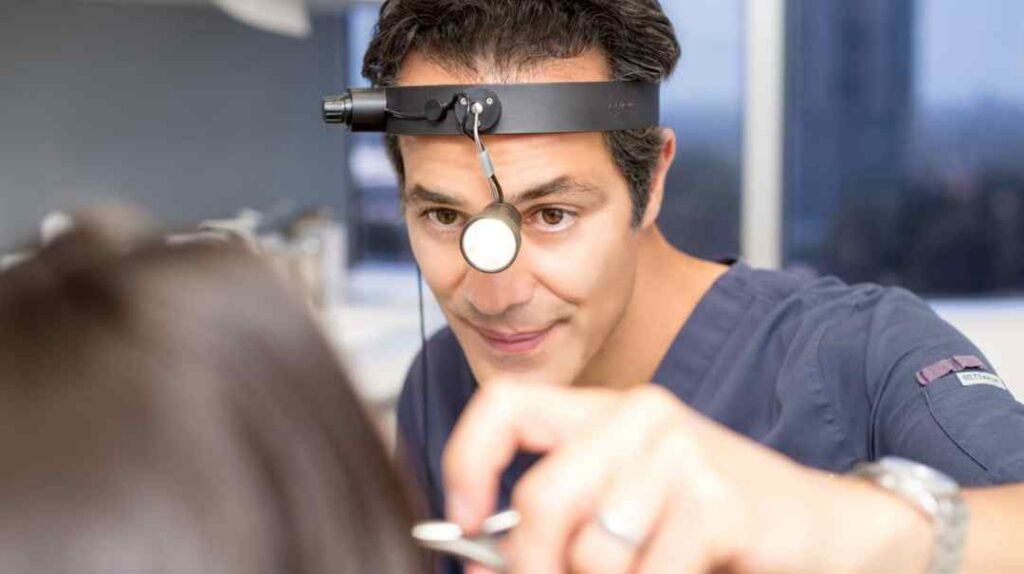
Dr. Zadeh is a board-certified sinus specialist known for his precision-based, minimally invasive approach to nasal and sinus surgery.
He focuses on correcting the underlying cause of nasal obstruction rather than managing symptoms alone. Using advanced surgical techniques, he carefully reshapes the septum while preserving surrounding structures to improve long-term breathing outcomes.
Patients choose Dr. Zadeh for his detailed evaluations, surgical expertise, and commitment to restoring natural function with minimal disruption.
What Our Patients Say


Frequently Asked Questions
It is a misalignment of the wall between the nasal passages that can block airflow.
The procedure is performed under anesthesia. Mild discomfort may occur within the first few days and improves quickly.
Most patients return to light activity within a few days, and full activity in 2 wks.
Yes. The goal is to restore proper airflow and reduce obstruction.
Some symptoms can be managed temporarily, but septoplasty corrects the structural issue causing obstruction.